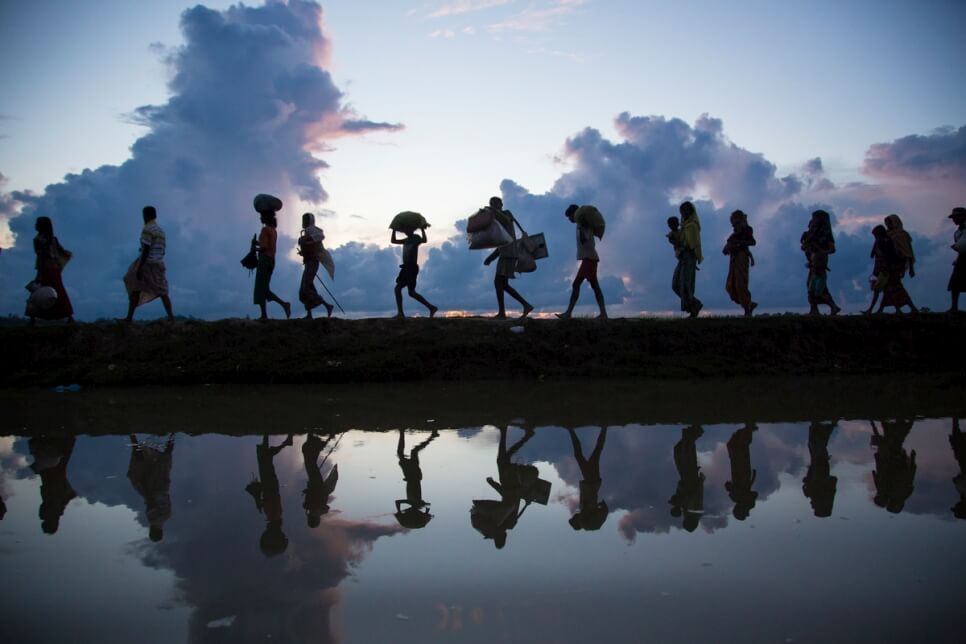
Canada is known for its strong commitment to protecting human rights and offering refuge to people fleeing persecution, violence, or danger. If you fear returning to your home country due to threats to your life or freedom, you may be eligible to make a refugee claim in Canada. This guide outlines the key steps, eligibility, and what to expect when seeking refugee protection in Canada.
🧭 Who Can Make a Refugee Claim?
You may be eligible to make a refugee claim in Canada if you meet either of the following categories:
-
Convention Refugee
You are outside your home country and are unable or unwilling to return because of a well-founded fear of persecution based on:-
Race
-
Religion
-
Nationality
-
Political opinion
-
Membership in a particular social group (e.g., LGBTQ+, women facing gender-based violence)
-
-
Person in Need of Protection
You are at risk of:-
Torture
-
Risk to life or cruel and unusual treatment or punishment
if returned to your country.
-
📝 Step-by-Step Process for Making a Refugee Claim
1️⃣ Arriving in Canada
You can make a refugee claim:
-
At the airport, seaport, or land border: Let the officer know immediately.
-
Inside Canada: Submit your claim online through the IRCC portal.
2️⃣ Completing the Basis of Claim (BOC) Form
This form is critical. It outlines your personal story and the reasons you are seeking refuge. It must be:
-
Accurate
-
Detailed
-
Submitted within 15 days (if claiming from inside Canada)
Tip: Always include supporting documents like police reports, news articles, medical records, or affidavits.
3️⃣ Eligibility Interview with an Immigration Officer
The Canada Border Services Agency (CBSA) or Immigration, Refugees and Citizenship Canada (IRCC) will interview you to determine whether your claim is eligible to be referred to the Immigration and Refugee Board (IRB).
4️⃣ Referral to the Immigration and Refugee Board (IRB)
If eligible, your case is sent to the Refugee Protection Division (RPD) of the IRB.
5️⃣ Preparing for the Refugee Hearing
You’ll receive a hearing date where an independent board member will assess your case. Preparation includes:
-
Legal representation (highly recommended)
-
Updating evidence
-
Practicing your testimony
6️⃣ The Refugee Hearing
During the hearing:
-
You’ll explain your story and answer questions.
-
You may bring witnesses.
-
A decision is typically issued shortly after.
7️⃣ After the Decision
-
If accepted: You become a Protected Person, eligible to apply for permanent residence.
-
If denied: You may appeal to the Refugee Appeal Division (RAD) or seek a judicial review at the Federal Court.
⚖️ Why Legal Help is Important
Refugee law is complex. A licensed immigration lawyer or consultant can:
-
Help you draft your BOC form properly
-
Collect evidence
-
Represent you at the hearing
-
Improve your chances of success
💡 Additional Resources
🌎 Final Words
Seeking asylum is a courageous step toward safety and a new life. Canada offers a fair and thorough refugee determination process—but preparation is key. Ensure your claim is well-documented, truthful, and supported with professional guidance whenever possible.
If you or someone you know is considering a refugee claim in Canada, remember: you are not alone. Support is available, and protection is possible.